Infrared Heaters: Pros and Cons

Infrared heaters are useful tools, but they are not the answer for every space. Here is a balanced view.
Advantages
- Fast: you feel the heat shortly after switching on.
- Targeted: you can heat one area instead of the whole building.
- Works in open spaces: wind and open doors affect radiant heat less than warm air.
- Quiet: most models have no fan.
- Simple: electric models have few moving parts.
Limitations
- Line of sight: areas behind walls or furniture receive less heat.
- Not whole-house heating: a central system is usually better for heating an entire home.
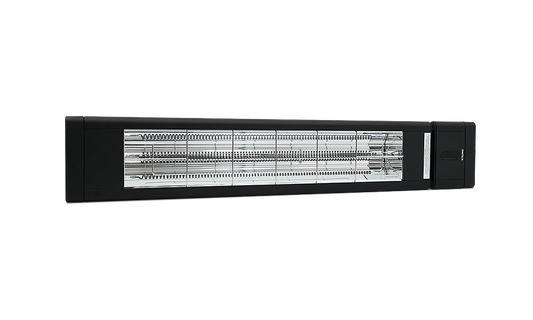
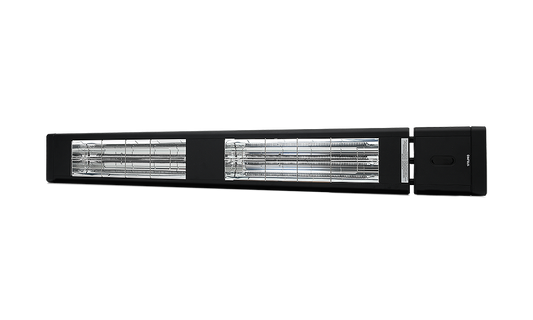
- Visible glow: quartz and halogen elements produce light, which some people do not want indoors.
- Electrical capacity: larger models may need a dedicated 240 V circuit.
- Cools quickly: once switched off, the warmth fades faster than with heated floors.
Bottom line
Infrared is a strong choice for patios, garages, workshops and spot heating. For background heat throughout a house, it works best alongside your main heating system.
Planning a specific space? Contact us with the size and use of the area, or browse our infrared heaters.