Comparison of Infrared Heaters and Other Heating Systems

Most buildings are heated in one of two ways: by warming the air, or by warming surfaces and people directly. Infrared heaters belong to the second group. This guide compares them with the heating systems most Canadians already know.
Forced-air furnaces
A furnace heats air and pushes it through ducts. It is a good fit for whole-house heating, but warm air rises, leaks through doors and windows, and takes time to bring a large or drafty room up to temperature.
Electric baseboard and convection heaters
Baseboards warm the air next to them, which then circulates around the room by convection. They are simple and quiet, but the room has to warm up as a whole before you feel comfortable.
Radiant floor heating
Heated floors also work by radiation and give very even comfort. They are usually installed during construction or a major renovation and respond slowly to changes.
Infrared heaters
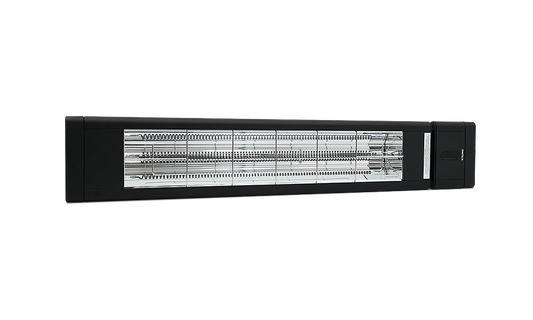
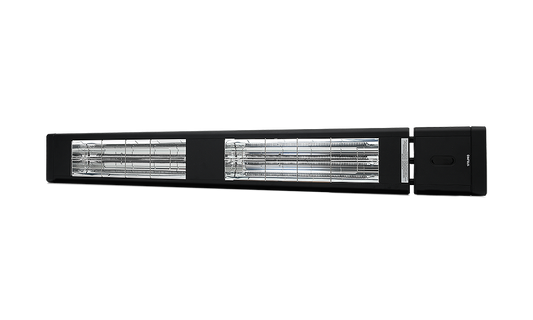
An infrared heater sends radiant heat in a direction you choose. Objects and people in its path warm up within moments, even if the surrounding air is still cool. That makes infrared a practical choice for:
- patios, decks and restaurant terraces;
- garages, workshops and warehouses with high ceilings or open doors;
- a single room or work area you want to heat without running the whole system.
Which should you choose?
| Need | Usually the better fit |
|---|---|
| Whole-house background heat | Furnace, heat pump or baseboards |
| Outdoor or partly open spaces | Infrared |
| Quick heat in one zone | Infrared |
| New build with even, gentle heat | Radiant floor |
Many homes and businesses combine systems: central heating for the building, and infrared where people spend time in cooler or open areas.
Planning a specific space? Contact us with the size and use of the area, or browse our infrared heaters.